Serving San Angelo, TX and surrounding areas. (325) 292-0781
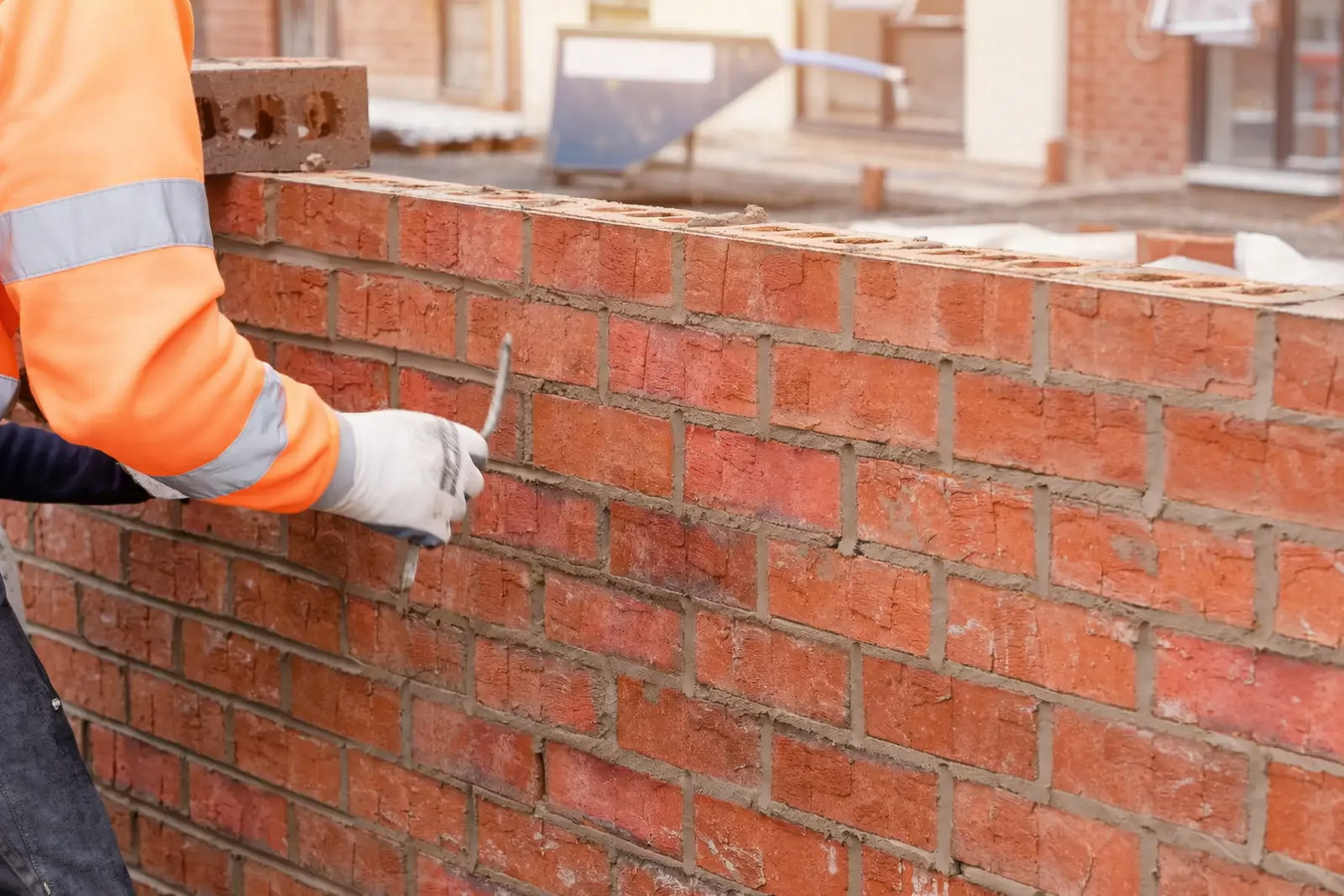
Crumbling mortar joints do not fix themselves. We remove the failing material and pack in fresh mortar matched to your brick - before water and soil movement turn a small repair into a big one.
Brick pointing in San Angelo means chiseling out the old, crumbling mortar between your bricks to a proper depth and packing in fresh mortar matched to your existing brick type, and most standard residential jobs - a chimney, a section of exterior wall, or a garden wall - take one to three days to complete.
Mortar is designed to be softer than the bricks it holds, so it absorbs stress and movement instead of letting the bricks crack. Over time - especially in San Angelo's heat and with the clay soil movement underneath - that mortar erodes and fails, and water starts getting in where it should not. Most brick homes in San Angelo's established neighborhoods were built between the 1940s and 1970s, which means their original mortar joints are now well past their expected lifespan. If you also notice structural cracking or wall movement, our foundation repair service may be the right starting point before any pointing work begins.
Catching failing mortar early is one of the highest-value repairs a homeowner can make. A straightforward pointing job costs a fraction of what water intrusion damage or brick replacement costs once the problem is allowed to progress. If you can press a key into a joint and feel it crumble, or if you see white staining on your brick face, the time to act is now - not after the next heavy rain.
Run your finger along the joints between your bricks. If the mortar feels soft, crumbles, or flakes away easily, it has lost its binding strength. In San Angelo's heat, this kind of surface erosion can happen gradually and go unnoticed until a significant section is already compromised and water is already getting in.
Cracks that run along the joints rather than through the bricks themselves are a classic sign that mortar has failed. In San Angelo, clay soil movement means these cracks can appear even on relatively newer homes - particularly after a dry summer followed by heavy fall rains that cause the ground to shift rapidly.
A chalky white residue on your brick - called efflorescence - means water is moving through the wall and carrying mineral salts to the surface. It is a reliable early warning sign that mortar joints are no longer keeping moisture out. It is especially common on San Angelo homes after the area's periodic intense rain events following dry stretches.
Stand back and look at the top of your chimney or the uppermost rows of any brick wall. Gaps, missing chunks of mortar, or bricks that look slightly out of alignment are serious warning signs. The top of a chimney takes the most weather exposure in San Angelo's climate and tends to fail first - catching it early prevents a much larger repair later.
We handle brick pointing and mortar joint repair on exterior walls, chimneys, garden walls, retaining walls, and any other brick or stone structure that has failing mortar. The process starts by cutting out the deteriorated material to a proper depth - typically about three-quarters of an inch - so new mortar has a solid surface to bond with. Smearing new mortar over old does not hold, and we will not do it. We also match the mortar blend to your existing brick type, which matters especially on older San Angelo homes where using the wrong mix can crack bricks that are already 50 to 80 years old. For broader wall and structure repair needs, our tuckpointing service covers similar mortar joint work with a slightly different finishing technique suited to certain brick types.
If your project involves a chimney, we inspect the full chimney system - not just the visible joints - because chimney mortar takes more punishment than wall mortar, going through heat-and-cool cycles every time the fireplace runs on top of full weather exposure on all four sides. San Angelo homeowners with wood-burning fireplaces or gas inserts should have chimney mortar inspected every five to seven years. The Chimney Safety Institute of America provides guidance on chimney inspection standards and what homeowners should expect from a thorough assessment.
Best for homes with deteriorating mortar on one or more exterior faces - including south and west walls that take the most wind and sun exposure in San Angelo.
Suited for chimneys showing gaps at the crown, crumbling joints, or bricks that are beginning to shift - work that catches small problems before they become structural.
For brick or stone walls that have cracked or failing mortar joints, often caused by San Angelo's clay soil movement over time.
Ideal for older San Angelo homes in neighborhoods like Lake View or the downtown corridor where original mortar type and joint profile need to be preserved and matched.
San Angelo averages well over 100 days per year above 90 degrees, and that relentless heat dries out mortar joints faster than in most of the country. The typical 25 to 30 year mortar lifespan you might read about online shortens here - so homeowners in established neighborhoods should be checking their mortar every 10 to 15 years rather than waiting for obvious crumbling. The south and west faces of your home take the most wind, sun, and dust exposure and often show deterioration years ahead of the sheltered north and east sides. West Texas dust storms act like sandpaper on mortar over time, and that wear is easy to miss until a section is already failing. Homeowners in Rowena and throughout the surrounding area deal with these same heat and wind conditions.
The clay-heavy Concho Valley soil creates a separate challenge - it expands when wet and contracts when dry, putting stress on brick walls and mortar joints from below on a cycle that repeats with every rain and drought. Many of San Angelo's brick homes in neighborhoods like Lake View and Bentwood were built in the 1940s through 1970s, and mortar from that era is now well past its expected service life. Homes built then used lime-based mortar mixes that behave differently from modern products, and a mason who uses the wrong blend on a 60-year-old wall can cause more damage than doing nothing. If you are in San Angelo or anywhere nearby, getting mortar matched to your existing brick is one of the most important questions to ask before hiring anyone. The Brick Industry Association publishes technical guidance on mortar selection for different brick types and ages.
Tell us where the brickwork is, how long you have noticed the problem, and whether there is any interior moisture or damage. We respond within one business day to schedule a free on-site look - no commitment required.
We probe the mortar joints, check for signs of foundation movement or water behind the wall, and explain what we find in plain terms. You get a written estimate that shows exactly what work is needed and why - so you can make a clear decision.
On the day of work, we grind or chisel out the old mortar to the right depth - this is the noisiest part of the job and takes the most time. Cutting properly is what separates a repair that lasts from one that fails within a few years. We keep the area as contained as possible, but dust is unavoidable, so windows near the work area are best kept closed.
Fresh mortar is packed by hand, tooled to match the original joint profile, and the brick face is cleaned. New mortar needs 24 to 48 hours before it should get wet. Before we leave, we walk the finished work with you - joints should be consistent and clean, with no smeared mortar on the brick face.
Send us a photo or give us a call - we will tell you honestly what we see and what makes sense to do about it before you commit to anything.
(325) 292-0781Using the wrong mortar on an older San Angelo home can crack the bricks themselves over time - a harder modern mix will not flex with the brick the way the original formula did. We assess the existing mortar before choosing a replacement blend so the repair works with your wall, not against it. On homes from the 1950s and 1960s, this step is not optional.
A repair that smears new mortar over old fails within a few years. We cut out the old material to the full required depth before packing in fresh mortar - which is the only way the new joint bonds properly and holds up to San Angelo's weather cycles. You can see the open joints before we fill them in if you want to verify.
We schedule pointing work for spring and fall whenever possible, and on summer jobs we take steps to slow the cure so mortar does not dry too fast and crack before it sets. San Angelo's heat, clay soil, and drought-flood cycles all factor into how we work - not just what we put in the joints. The Mason Contractors Association of America supports best practices for mortar installation in demanding climates.
We walk the finished work with you before packing up. Joints should be consistent, clean, and free of mortar smeared on the brick face. If anything does not look right to you, we want to know before we go - not after you have had a few days to think about it and we are already at the next job.
Brick pointing is one of the best-value repairs you can make on a San Angelo home - but only if it is done correctly. Every one of the points above is something we have learned matters from doing this work in this city, and we stand behind each job we complete.
If cracking mortar is linked to wall or foundation movement, we assess and repair the underlying cause before repointing.
Learn MoreA mortar joint finishing technique that uses two contrasting colors to give older brick walls a precise, tailored look.
Learn MoreSan Angelo's best weather windows for mortar work fill up early. Reach out today and we will get you on the schedule before the summer heat arrives.